Background Image

The History of Disley

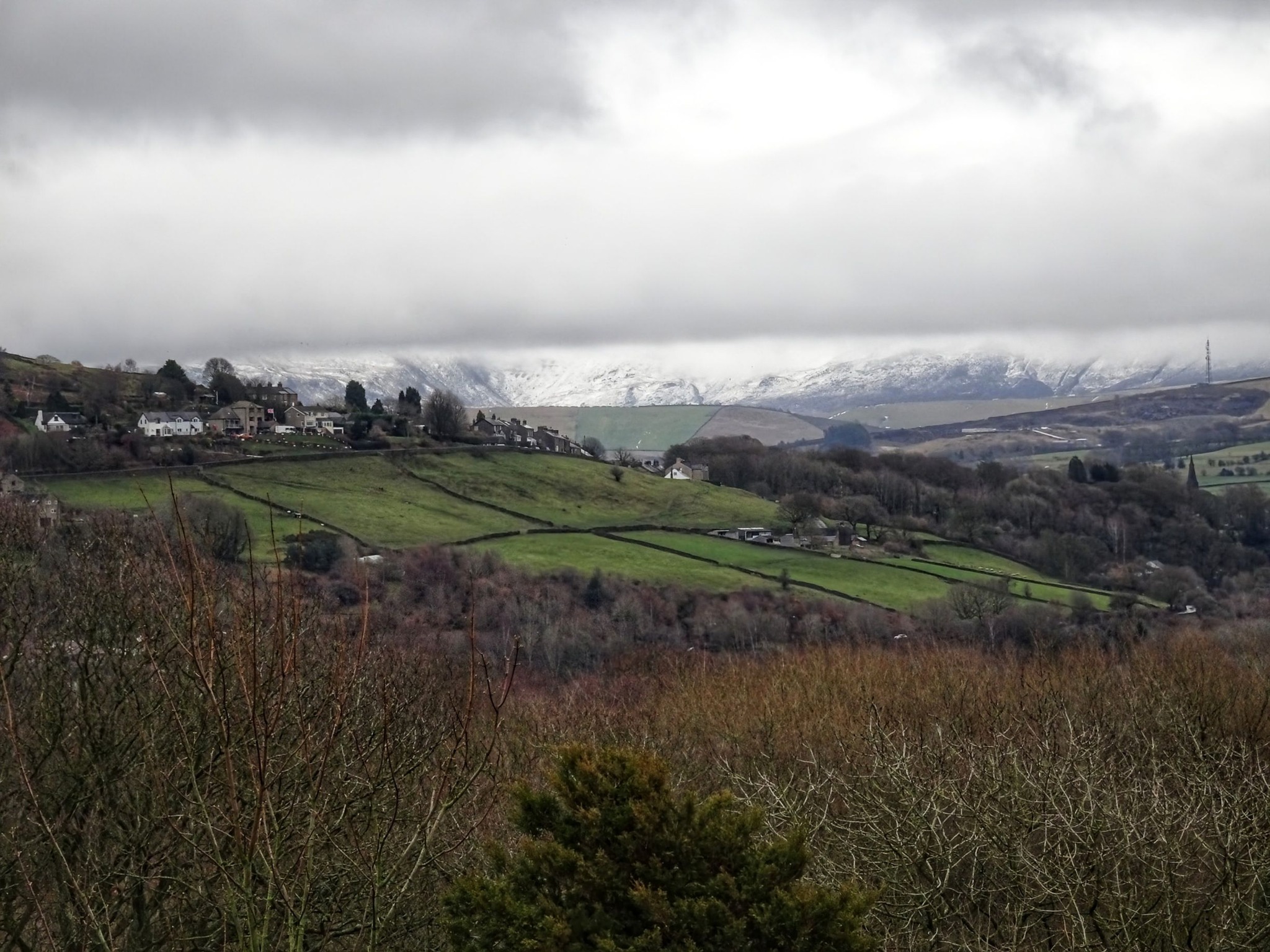
Nestled on the edge of the Peak District, overlooking the beautiful Goyt Valley, Disley is a village with a rich history stretching back more than a thousand years. Today it is known for its welcoming community, stunning countryside, and excellent transport links, but its story begins long before the modern village took shape.

The name Disley is thought to come from the Anglo-Saxon Dystiglegh, meaning either “a woodland clearing by a mound” or perhaps a “windy settlement” — both descriptions that seem fitting for this hillside village. Records from the 13th century mention local landowners such as Jordan de Dystelegh and Roger de Stanley-de-Dystelegh, suggesting that thriving communities existed here many centuries earlier.
A Village Built Around Farming

For much of its history, Disley was a collection of farms and small settlements. One of the most important was Stanley Hall, whose farmhouse and historic barn still survive today. Dating back to the 15th and 16th centuries, these buildings offer a fascinating glimpse into rural life in medieval Cheshire.

The Legh Family and St Mary’s Church

No family has shaped Disley’s history more than the Leghs of Lyme. Sir Piers Legh founded St Mary’s Church, which was completed in 1524 and became the parish church in 1558. Standing proudly in the heart of the village, St Mary’s remains one of Disley’s most cherished landmarks. Parish records dating back to 1591 provide a remarkable connection to generations of local families.

Growth and Change

The 18th and 19th centuries brought significant changes to Disley. In 1724, the road between Manchester and Buxton became a turnpike route, bringing increased trade and travel through the village. During the early 1800s, the route was realigned to what is now the A6.

Another major milestone came in 1800 with the opening of the Peak Forest Canal, which runs along the northern edge of the village. The canal helped connect local industries to wider markets and remains a much-loved feature of the landscape today.

When the first national census was carried out in 1801, Disley was home to just under 1,000 people. By 1881, the population had grown to more than 3,300, and today around 4,600 people call Disley home.

Industry and Village Life

Like many communities in the North West, Disley played a part in the cotton industry, with at least one cotton mill operating by the mid-19th century. As industry evolved, employment became more diverse, with paper production, engineering and, increasingly, commuting to nearby towns and cities providing work for local residents.

One much-loved feature of village life was the fountain in Fountain Square. Donated by the Orford family in 1837 and built from stone quarried at Jackson’s Edge, it provided fresh drinking water for villagers until the 1920s and remains an important part of Disley’s heritage.

Places That Tell Disley’s Story

The Rams Head

Standing at the centre of village life for centuries, The Rams Head was originally built by the Legh family around 1640. Once serving as a coaching inn on the busy Manchester-to-London route, it became renowned for its hospitality. In 1790, Viscount Torrington famously declared it the finest inn in England after several visits. Today, it continues to welcome visitors as a pub and restaurant.

Lyme Park

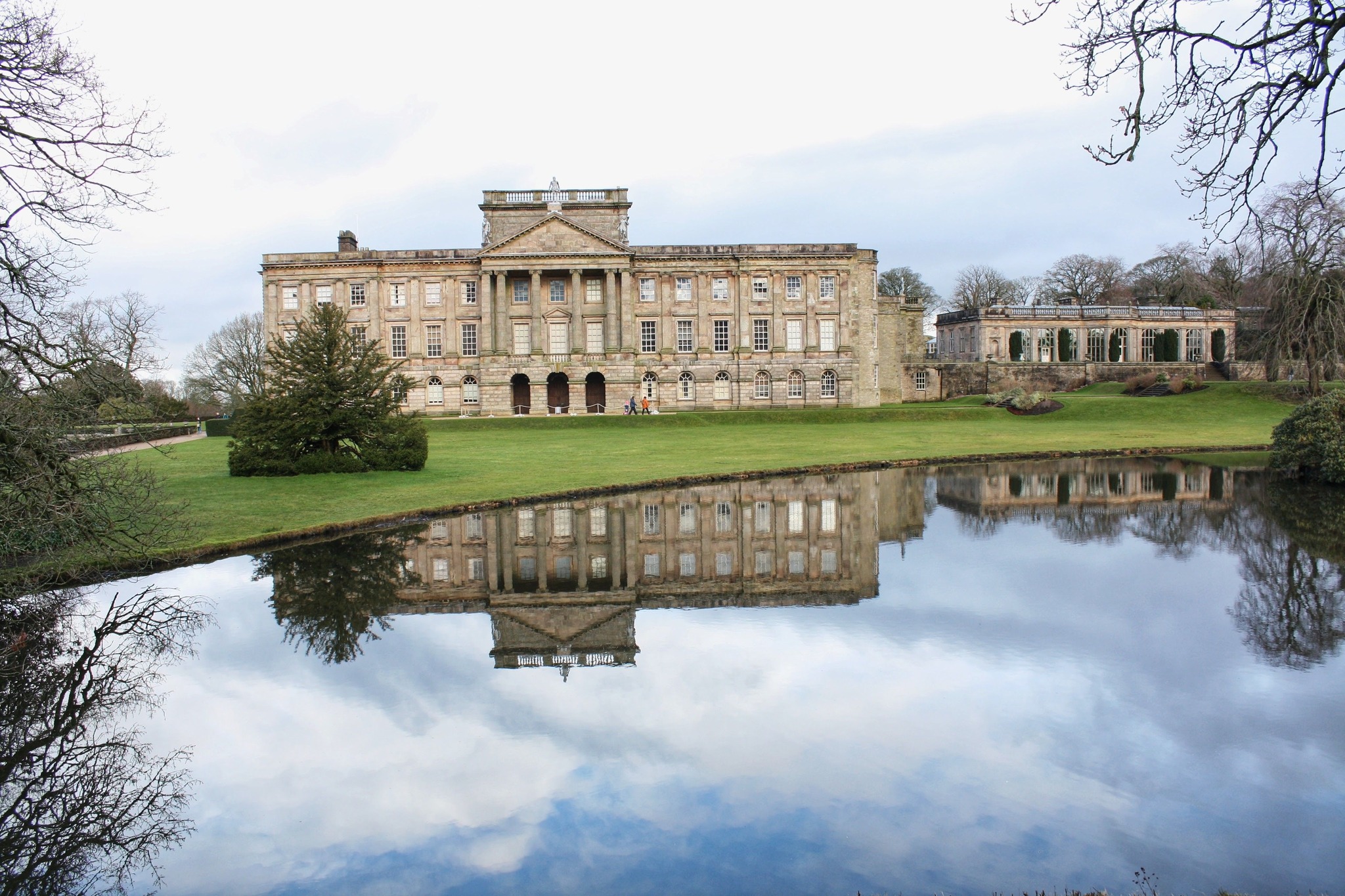
Although technically located in the neighbouring parish of Lyme Handley, Lyme Park is inseparable from Disley’s identity. Managed by the National Trust, the magnificent estate attracts visitors from across the country. Many will recognise Lyme Hall as the filming location for the BBC’s celebrated 1995 adaptation of Pride and Prejudice.

The Bowstones

High above Lyme Park stand the mysterious Bowstones, two ancient stone crosses whose exact origins remain unknown. Believed to have religious significance, they occupy one of the most spectacular viewpoints in the area. On a clear day, it is said that seven historic counties can be seen from this remarkable spot.

Golf, Cricket and Community

Disley has long enjoyed a strong sporting tradition. Disley Golf Club, founded in 1889, is one of the oldest inland golf courses in the United Kingdom and occupies land once associated with Stanley Hall. The village is also home to Disley Cricket Club, which continues to play an important role in local community life.

Famous Faces of Disley

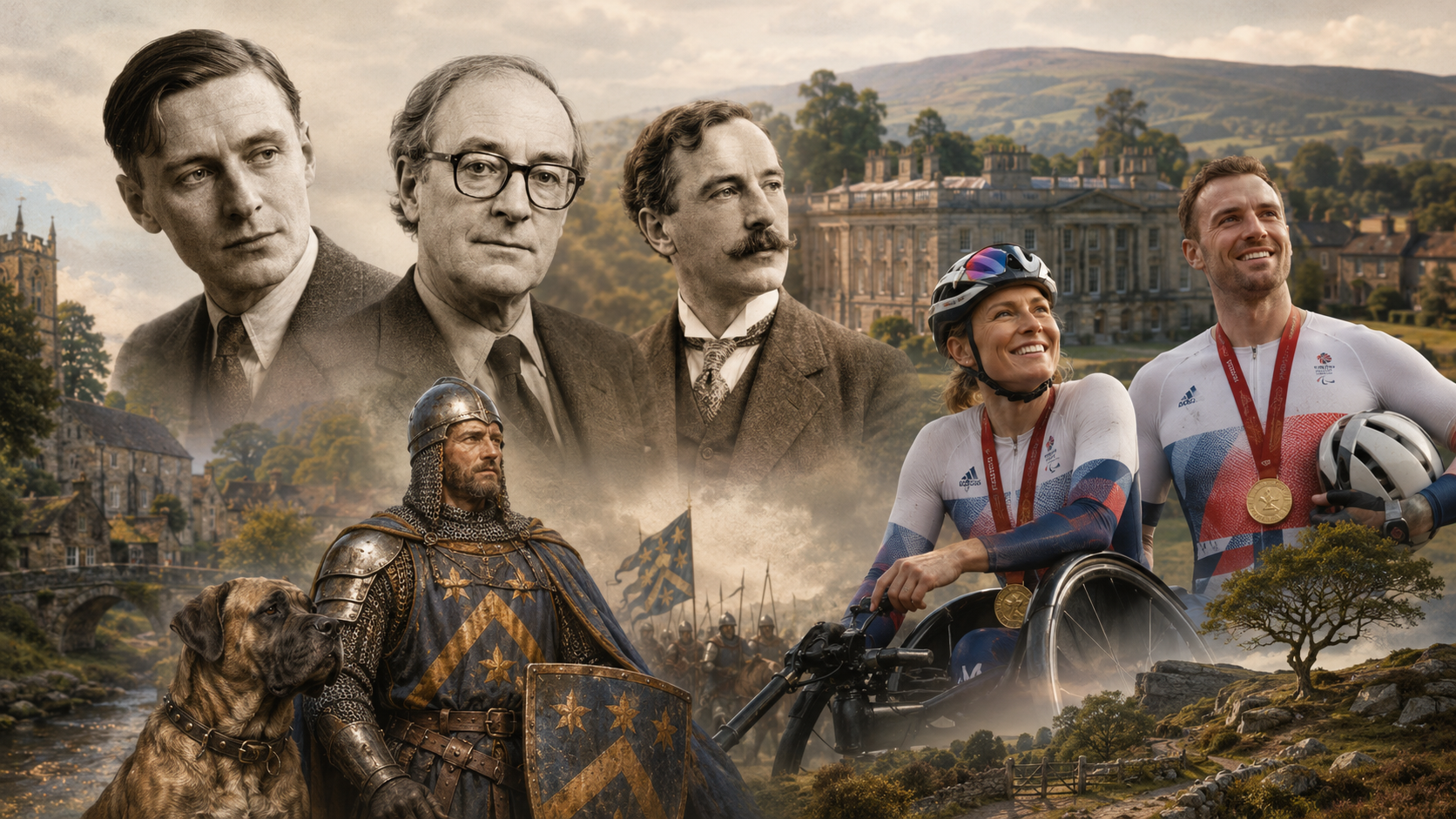
Over the years, Disley has been home to an impressive range of notable figures. These include Christopher Isherwood, the internationally acclaimed novelist and playwright who was born at nearby Wyberslegh Hall; historian and broadcaster A. J. P. Taylor; playwright Allan Monkhouse; and Paralympic champions Dame Sarah Storey and Barney Storey.

The village’s connection with the Legh family also includes the legendary Sir Piers Legh, who fought at the Battle of Agincourt. According to local tradition, his faithful mastiff stood guard over him after he was injured on the battlefield, a story that remains part of Lyme’s enduring folklore.

Discover More

Disley’s rich heritage can still be seen throughout the village today, from historic cottages and churches to ancient farms, coaching inns and beautiful landscapes. Every street, pathway and landmark tells part of the story of a community that has evolved over centuries while retaining its distinctive village character.

If you’d like to explore more of Disley’s architectural heritage, take a look at the list of historic and protected buildings that help make the village such a special place.
If , like us you love a bit of a history, our Disley History Society meet regularly in our community centre and organise historical walks and events. For more information contact : Barbara Roberts Home Phone: 01663 766992 Personal Email: robertsbarbara23@gmail.com

You dont have permission to register

Password reset link will be sent to your email